A Verification Code You Didn't Request Means Someone Has Your Password
An unrequested one-time code usually means someone is trying to log into your account.
A one-time verification code arriving out of nowhere means someone entered your phone number, and usually your password too, on a real login page. The code itself proves the site's security is working; it is the last wall. Which is why the scam that follows is always some variation of a person, by text or call, asking you to read the code back. Nobody legitimate will ever ask. The moment you share it, the wall is gone and the account is theirs.
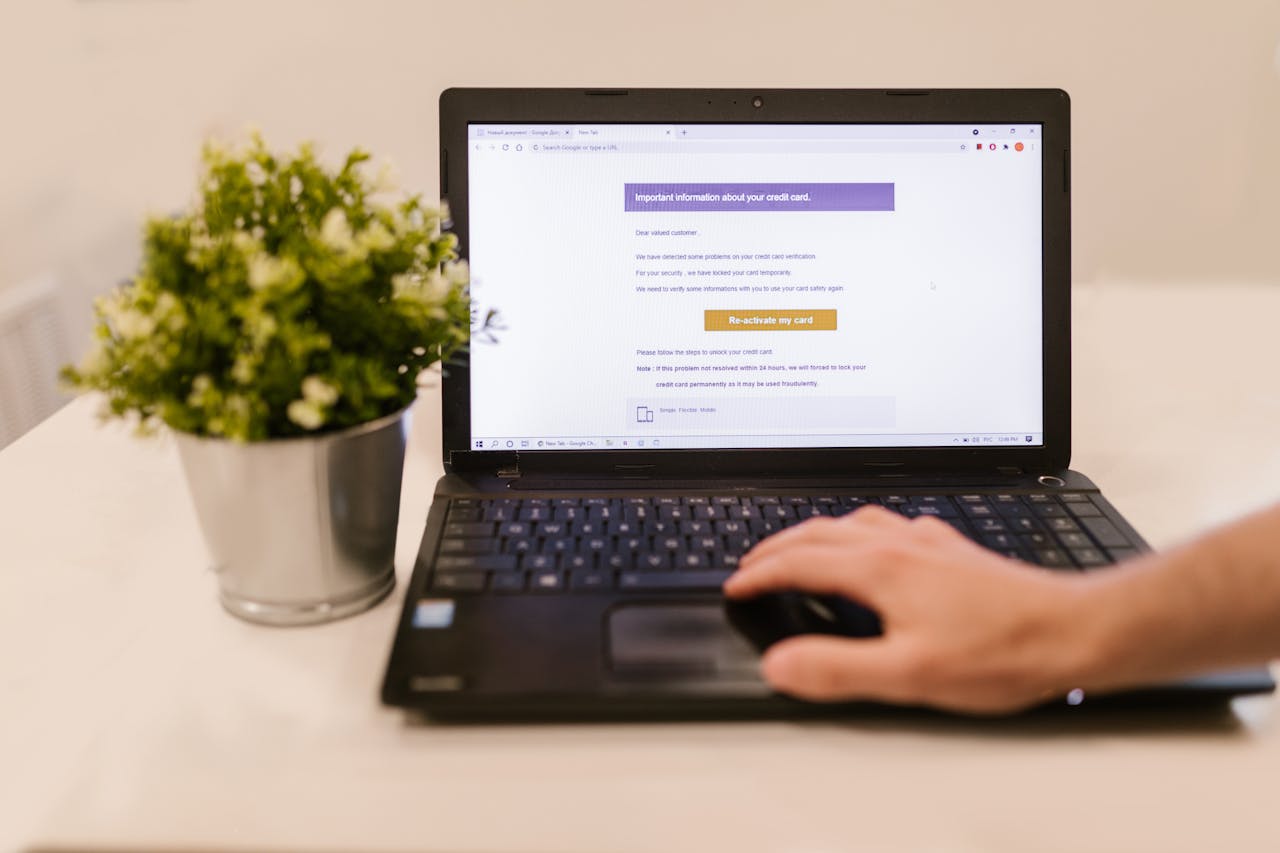
What the unrequested code tells you
One stray code can be a typo by a stranger with a similar number. A code from a service where you hold an account, especially paired with a password-reset email or a follow-up message, means your credentials are in someone's hands, likely from an old breach. Treat the code as a smoke alarm: the fire is the password, and it is probably reused on other doors.
The ten-minute response
Never share the code
Not with callers, not by text, not with 'support'. There are no exceptions in any legitimate process.
Change that account's password now
From your own device, through the app or typed address. If the password repeats elsewhere, change those too, email first.
Turn on app-based two-factor
Authenticator apps beat SMS codes, and both beat nothing. Do it while you are in the settings.
Check who contacted you
If a number texted or called asking about the code, run it through a reverse lookup and report it. That trail helps the next target.
When codes keep coming
A burst of codes from many services is credential-stuffing: your email-password pair from a breach being tried everywhere in an automated run. Change the shared password and the noise stops. A burst of codes from your phone carrier specifically deserves a call to the carrier, since it can precede a SIM-swap attempt, where the attacker moves your number to their SIM to receive codes themselves.
Run a private check on any phone number
Get a 60 second report with possible owner, line type, location signals, and risk indicators. The phone owner is not notified.
Run a checkFrequently asked questions
I got a code but no one asked me for it. Am I safe?
Probably, if it stops at one. The login attempt failed at the code wall. Still change that account's password, because the attempt usually means it is known, and enable two-factor if it was off.
Why would Google or Apple text me a code I didn't request?
Because someone entered your number or username on their real login page. The company is doing its job; the person triggering it is the problem. The code being genuine is exactly why sharing it is dangerous.
Can I find out who tried to log in?
The service's security page often shows the attempt's location and device. If a phone number contacted you around the same time, a reverse lookup on it shows the line type and any reports; that number is the human end of the attempt.
Related articles
Fake Bank Fraud Alert Texts: 'Did You Attempt This Charge?'
Scam texts impersonate bank fraud alerts, then a fake fraud agent calls to 'help' and drains the account.
SIM Swap Attacks: How to Detect and Prevent Them
What a SIM swap attack is, how attackers convince a carrier to move your number to their SIM, the warning signs.
What Does the Internet Know About You? How to Find Out
Run a self audit of what is publicly findable about you online. Data brokers, people search sites, leaks, and old accounts.
Is This Phone Number a Scam? How to Tell in 60 Seconds
The exact signals that flag a phone number as a scam: line type, fraud score, country mismatch, and known scam reports.
Check the number. Know more.
Run a private 60 second report. The phone owner will not be notified.
Start your check