How to Find Out Who Owns an Email Address
A practical guide to identifying who is behind an email address, checking if it is linked to scams or breaches.
An email address is more revealing than people think. If a stranger emailed you, a seller gave you an address, or a match's profile leaked one, you can often find out who is behind it and whether it is tied to scams or data breaches. Here is what an email can tell you, and what it cannot.
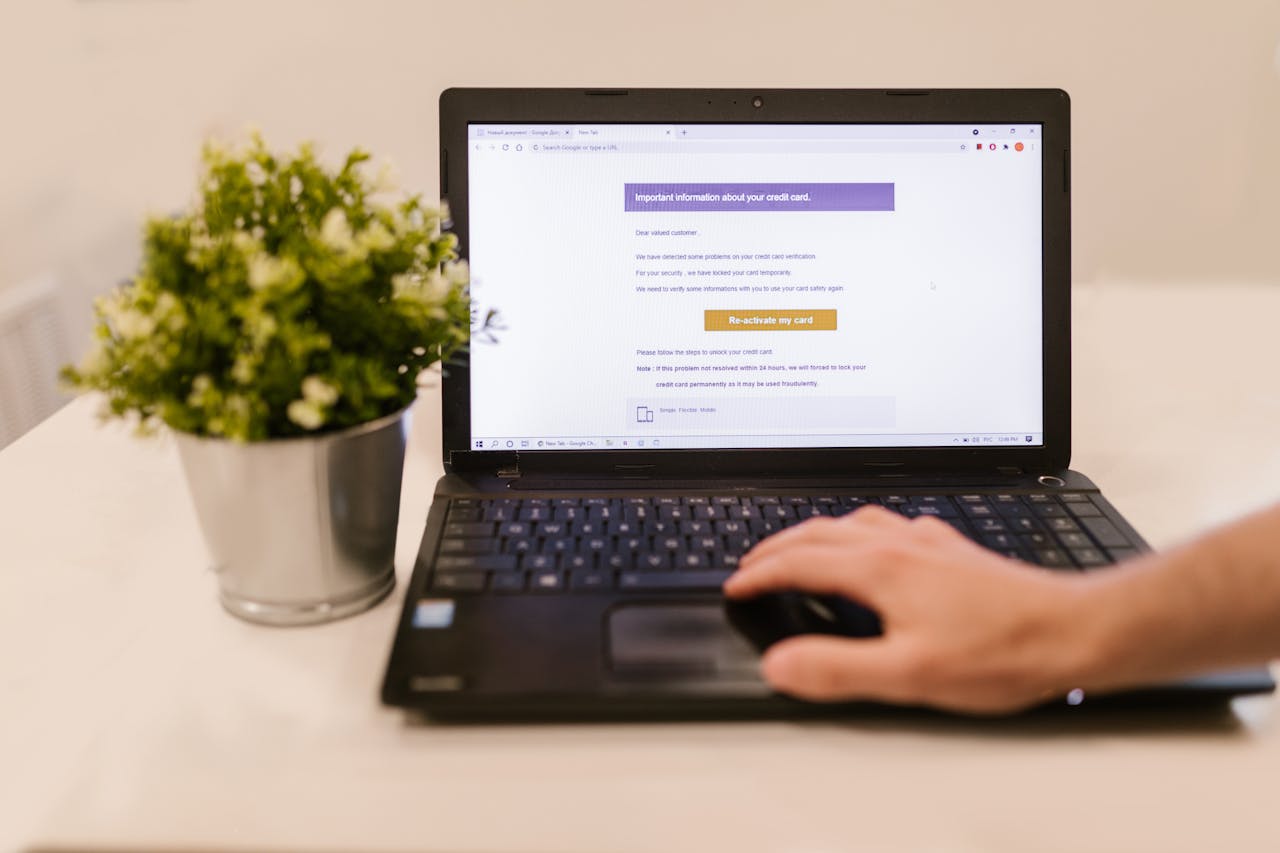
What you can learn from an email address
Likely owner
An email is frequently linked to a name and public profiles through identity data.
Linked accounts
The same address is often reused across social, marketplace, and forum accounts.
Breach exposure
Breach databases show if the address appeared in known data leaks.
Reputation
Email-reputation signals flag addresses tied to spam or fraud.
The steps
Run an email lookup
A tool like StoryCheck checks the address for a likely owner, linked profiles, and reputation signals.
Check breach exposure
See whether the address appears in known data breaches, a strong sign of how long and how widely it has been used.
Quoted web search
Paste the full address in quotes into a search engine. Reused addresses often surface on profiles and listings.
Inspect the address itself
Freshly created free-provider addresses with random strings are a common throwaway-scam pattern.
What an email cannot tell you
Often findable
- A likely name and linked profiles
- Whether the address is in breach data
- Reputation and spam or fraud signals
- Accounts that reuse the same address
Not findable
- The contents of the person's inbox
- Their live location
- Private financial information
- Anything usable for formal background screening

Email plus phone is the strongest check
If you have both an email and a phone number for the same person, check both. When the name, location, and profiles line up across the two, your confidence should be high. When the email points to one identity and the phone to another, or one is clean and the other sits in scam data, treat the mismatch as a warning. Cross-checking two data points is the fastest way to catch a fake.
Run a private check on any phone number
Get a 60 second report with possible owner, line type, location signals, and risk indicators. The phone owner is not notified.
Run a checkFrequently asked questions
Can you really find out who owns an email address?
Often yes. An email lookup can return a likely owner, linked public profiles, breach exposure, and reputation signals. How much you find depends on how widely the address has been used.
How do I check if an email is linked to a scam?
Run an email lookup for reputation and fraud signals, check whether it appears in breach databases, and search the full address in quotes. A brand-new free address with urgent messaging is a common scam pattern.
Is reverse email lookup legal?
Yes for personal safety purposes. It must not be used for employment, tenant, or credit screening, which require regulated services, or to harass anyone.
What does it mean if an email is in a data breach?
It means the address appeared in a known leak. For a stranger, it suggests a real, long-used address. For your own email, it is a prompt to change passwords and enable two-factor authentication.
Should I check an email and a phone number together?
Yes. Cross-checking both for the same person is the strongest quick verification. Matching name, location, and profiles across the two raises confidence, while a mismatch is a warning sign.
Related articles
What Does the Internet Know About You? How to Find Out
Run a self audit of what is publicly findable about you online. Data brokers, people search sites, leaks, and old accounts.
How to Find Someone's Name From Their Phone Number (2026)
A practical guide to finding the name behind a phone number, what details you can legally find, what you cannot, and the fastest way to get a clear answer.
Are Reverse Phone Lookup Services Legit? (2026 Honest Guide)
Are reverse phone lookup and people-search services legit, safe, and legal?
Free Background Check on Yourself: Step by Step Guide (2026)
Step by step guide to running a free background check on yourself in 2026.
Check the number. Know more.
Run a private 60 second report. The phone owner will not be notified.
Start your check